The fastest lever you have on your nervous system runs right through your breath. Every other stress response — heart rate, blood pressure, muscle tension — takes longer to change than the breath does.
The single most important principle: make your exhale longer than your inhale. That single shift tells your vagus nerve you're safe, and your body's stress response begins to soften within a minute or two.
Try 4-7-8: inhale through your nose for 4 counts, hold for 7, exhale slowly through your mouth for 8. Repeat four rounds. This is especially good before sleep or during acute anxiety spikes.
Box breathing is another reliable tool: 4 in, 4 hold, 4 out, 4 hold. It's used by first responders and military — practical enough to work in high-pressure moments, portable enough to use anywhere.
For everyday regulation, 'coherent breathing' — inhale 5, exhale 5 — helps your heart rate and breath sync into a calmer rhythm. Five to ten minutes has real effects on mood and focus.
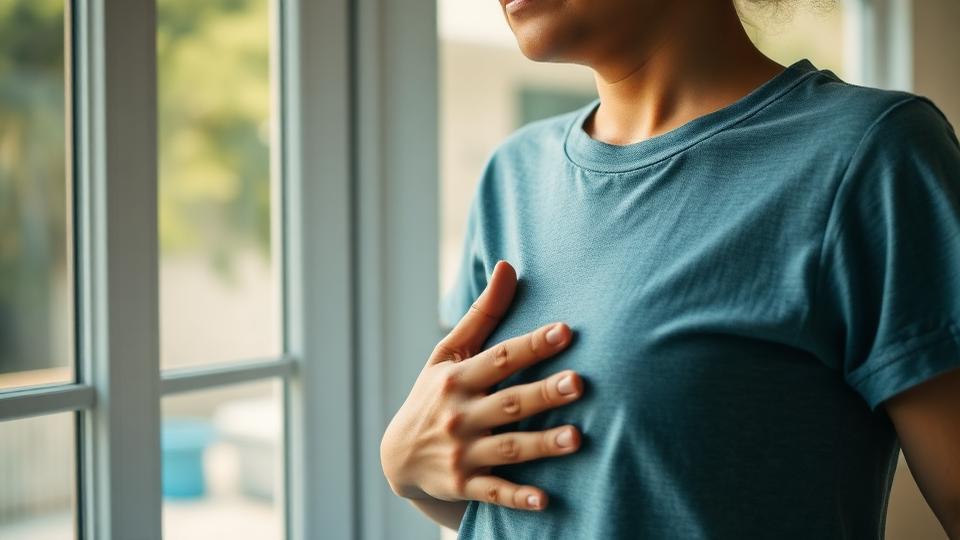
Notice your default. Most anxious people breathe high in the chest, shallow and fast. Let your lower belly rise on the inhale. If you're not sure, lie down with a hand on your chest and a hand on your belly — the belly hand should move more.
Breathwork isn't a cure — it's a first-line tool. If anxiety is chronic or panic attacks are frequent, breathing is part of a larger picture that a counselor can help you put together. Small, immediate relief plus underlying work is the combination that lasts.